
Strong brain health in retirement is not built through drastic changes. It grows from small, consistent habits that support mental clarity, routine, and purposeful living.
Can a few simple daily choices really protect your brain and sharpen your thinking well into retirement?
Many older adults assume cognitive decline is inevitable, but research and lived experience tell a different story. Brain wellness is deeply connected to what we do every day.
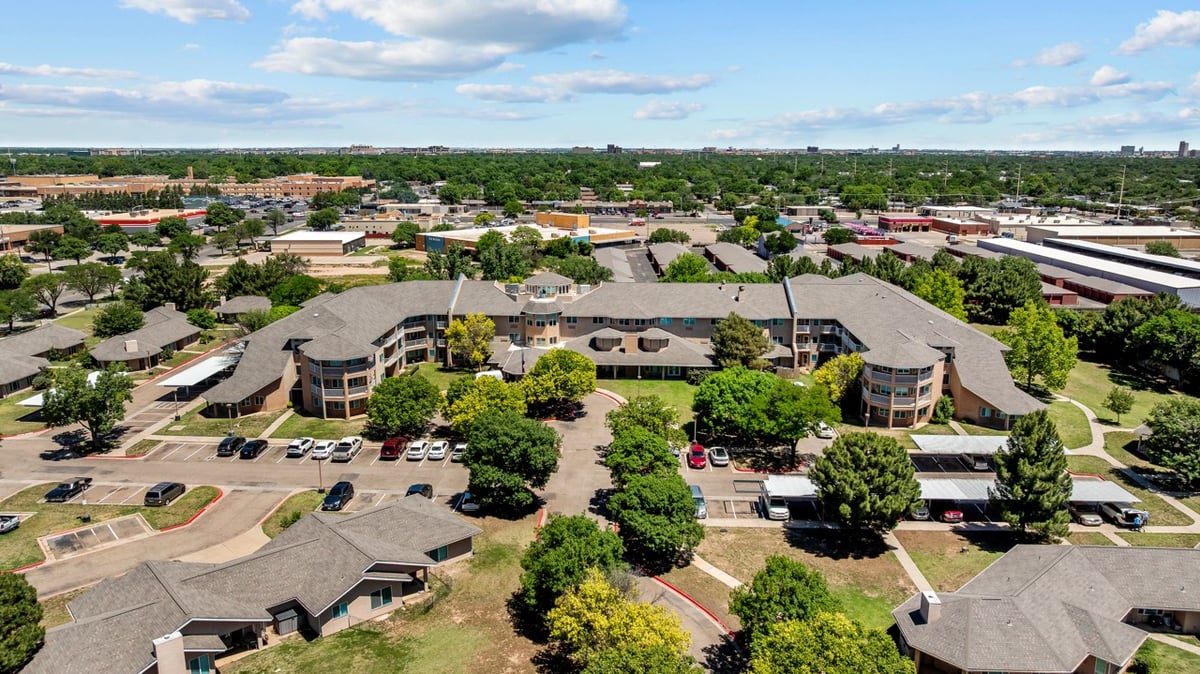
At Ventura Place Senior Living, we see how daily habits, social engagement, and routine can shape mental clarity over time. Independent living does not mean going it alone; it means having the freedom to choose habits that support senior health routines in an environment designed for connection and cognitive support.
In Lubbock, TX, Ventura Place Senior Living offers residents the space and structure to turn small, intentional actions into lasting brain benefits.
What Are the Biggest Retirement Mistakes?
One of the biggest mistakes retirees make is letting structure disappear. Without work schedules or family obligations, days can blur together. This lack of routine often leads to inactivity, isolation, and mental stagnation.
Another common mistake is underestimating the importance of social connection. Brain wellness depends heavily on interaction. Conversations, shared laughter, and group activities stimulate memory and processing skills. When retirees withdraw socially, mental clarity can suffer.
Ignoring physical health is also a concern. Poor sleep, inconsistent meals, and lack of movement directly affect cognitive function. Senior health routines should support both body and mind, not treat them as separate systems.
What Habits Should You Avoid in Retirement?
Avoid habits that promote passivity. Excessive screen time, long periods of sitting, and unstructured days can dull cognitive engagement. While rest is important, too much downtime without purpose can weaken focus and motivation.
Another habit to avoid is resisting change. Learning new skills, adjusting routines, and trying unfamiliar activities all strengthen the brain. Sticking rigidly to old patterns may feel comfortable, but can limit cognitive growth.
Lastly, avoid isolating yourself. Even introverted individuals benefit from regular social contact. Cognitive support often comes from simple interactions like shared meals, group discussions, or community events.
How Small Habits Shape Brain Wellness
Brain wellness is built through repetition. Simple daily habits like reading, walking, journaling, or engaging in conversation activate different areas of the brain. Over time, these actions support memory, attention, and emotional regulation.
Daily habits do not need to be complex. Consistency matters more than intensity. A morning routine, a regular mealtime, or a weekly class can anchor the day and provide mental stimulation.
At Ventura Place Senior Living, we encourage residents to build routines that feel natural and enjoyable. When habits are sustainable, they are more likely to support long-term mental clarity.
The Role of Routine in Mental Clarity
Mental clarity improves when the brain knows what to expect. Routines reduce decision fatigue and create a sense of stability. This allows the brain to focus on engagement rather than constant adjustment.
Senior health routines that include movement, nutrition, social time, and rest create balance. Even small anchors like a daily walk or a standing lunch date can improve focus and mood.
Independent living communities provide gentle structure without sacrificing freedom. Residents choose how to spend their time while benefiting from an environment that supports healthy rhythms.
Cognitive Support Through Social Engagement
Social engagement is one of the most powerful forms of cognitive support. Conversations challenge memory, attention, and emotional awareness. Group activities introduce novelty and problem-solving.
At Ventura Place Senior Living, social opportunities are woven into daily life. From shared dining to interest-based gatherings, residents engage with peers in ways that feel organic rather than forced.
These interactions support brain wellness by keeping the mind active and emotionally connected. Even brief exchanges can have a positive cognitive impact.
Why Environment Matters for Brain Health
Your environment influences behavior. A setting that encourages movement, conversation, and routine makes healthy habits easier to maintain. Quiet isolation, on the other hand, can reinforce inactivity.
Independent living communities remove many barriers to engagement. Transportation, safety concerns, and logistics are simplified. This frees mental energy for connection and curiosity.
In Lubbock, Ventura Place Senior Living offers a calm yet stimulating environment that supports both independence and cognitive growth.
Frequently Asked Questions
Many retirees want to protect their cognitive health but are unsure where to start. Brain wellness can feel overwhelming when framed as a medical issue rather than a lifestyle choice.
The following questions address common concerns about habits, routines, and cognitive support in independent living.
Can Small Daily Habits Really Improve Brain Wellness?
Yes. Small daily habits practiced consistently have a measurable impact on brain function. Activities like walking, reading, and social interaction stimulate neural pathways and support long-term mental clarity.
What Role Does Routine Play in Cognitive Health?
Routine provides structure that reduces stress and mental overload. Senior health routines help the brain operate more efficiently by creating predictable patterns that support focus and memory.
Is Social Interaction Necessary for Cognitive Support?
Social interaction is one of the most effective forms of cognitive support. Conversations and shared activities engage multiple areas of the brain and help maintain emotional balance.
How Does Independent Living Support Mental Clarity?
Independent living communities encourage engagement without removing autonomy. Residents choose their daily habits while benefiting from built-in opportunities for socialization and routine.
Can Brain Health Improve Even Later in Life?
Absolutely. The brain remains adaptable at every age. With the right daily habits and environment, seniors can strengthen mental clarity and overall cognitive function well into retirement.
Ventura Place Senior Living: Small Habits, Supported Living, and Lasting Impact
At Ventura Place Senior Living, brain wellness is supported by more than daily habits; it is shaped by our unique West Texas setting. Located in Lubbock, our community benefits from open skies, calm neighborhoods, and a pace of life that encourages reflection, routine, and meaningful connection.
We embrace the region's strong sense of community, culture, and nearby educational institutions to keep residents mentally engaged and socially active. By combining small, brain-healthy habits with an environment that values independence and connection, Ventura Place Senior Living offers cognitive support that feels natural, grounded, and distinctly local.
We invite you to visit our community in Lubbock and experience how we support mental clarity and a fuller life every day.