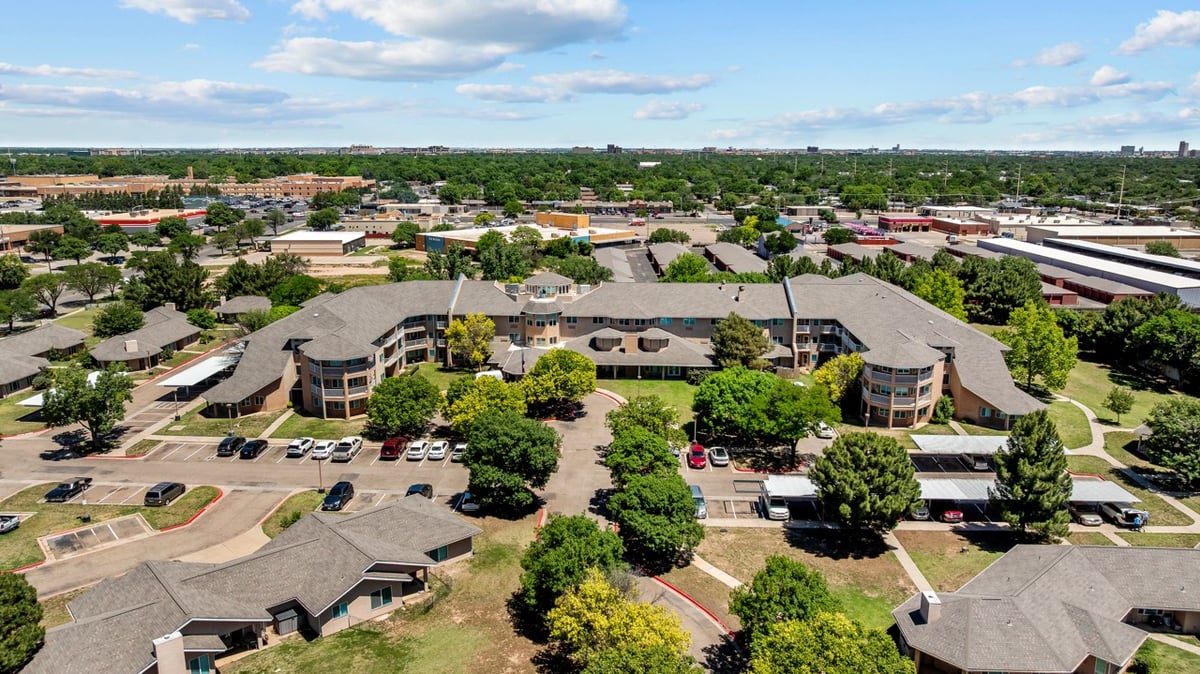

Senior living supports healthy cognitive aging by giving you steady routines, daily conversation, and clear mental focus without overwhelm. Senior living in Lubbock, TX, delivers structure and engagement that help your mind stay sharp while daily stress stays low.
Older adults who take part in regular social, physical, and mental activity show stronger cognitive function as they age, according to a 2022 systematic review of observational studies. Brain aging changes memory and thinking speed over time; your habits can influence how quickly those changes occur. You may face clear risks if your mind stays idle, and engaging your brain helps keep it working well.
You might find yourself worried about memory loss or confusion as years pass; many seniors face these fears with daily life changes. Frequent interaction with others and regular activity build structure in your day, and this contributes to healthy brain health and cognitive aging.
How Does Social Engagement Support Cognitive Aging?
Social engagement supports cognitive aging by keeping your mind active through regular conversation and shared experiences. Daily interaction challenges memory, attention, and verbal skills in natural ways. Conversations encourage recall, listening, and quick responses; all support mental strength over time.
Senior living environments reduce isolation and increase meaningful contact throughout the day. Group meals, casual chats, and planned activities give your brain steady input. Mental stimulation feels natural rather than forced, which helps habits stick and keeps thinking flexible.
Why Do Daily Routines Matter for Brain Function?
Daily routines support brain function by giving your mind a predictable structure. Repeated patterns reduce mental strain and free up energy for focus and learning. Clear schedules help with orientation, memory, and task completion.
Consistent routines also lower stress, which protects cognitive performance. When daily decisions feel manageable, mental fatigue drops. Structured days help your brain stay alert while avoiding overload, making routines a quiet but powerful support for long-term cognitive aging.
Structured Days That Support Mental Clarity
Structured days support clear thinking by reducing decision fatigue and mental clutter. Predictable schedules help your brain move smoothly from one activity to the next. Senior routines give your mind steady signals that guide focus and memory.
Daily structure also supports cognitive aging by reinforcing habits that feel natural rather than forced. When your day follows a familiar rhythm, recall improves and stress drops. Consistency strengthens mental pathways and helps you stay oriented as the day unfolds.
Daily structure often includes:
- Morning check-ins
- Planned activities
- Mealtime routines
- Evening wind-downs
Conversation That Keeps the Mind Active
Conversation keeps your brain engaged through listening, recall, and response. Regular discussion challenges language skills and attention in real time. Social connection plays a steady role in protecting brain health.
Living among peers encourages natural interaction throughout the day. Shared meals and group activities create easy chances to talk and connect. Daily dialogue fuels mental agility and keeps your thinking sharp without pressure.
Social interaction often shows up as:
- Group discussions
- Shared meals
- Activity chats
- Casual greetings
Physical Movement With Cognitive Benefits
Movement supports mental function by increasing blood flow and focus. Light exercise helps your brain process information more clearly. Physical activity remains closely tied to long-term cognitive aging.
Senior living programs often blend movement into daily life without strain. Gentle classes and guided walks keep your body active and your mind alert. Movement sharpens mental response while supporting balance and coordination.
Common movement options include:
- Stretch classes
- Guided walks
- Balance sessions
- Light fitness
Nutrition That Nourishes the Brain
Food choices influence memory, focus, and mental energy. Senior nutrition supports steady blood sugar and sustained attention during the day. Balanced meals play a direct role in brain health.
Communities that plan meals with care help remove daily food decisions. Regular dining times support senior routines and mental consistency. Well-fueled minds think more clearly and stay energized longer.
Brain-supportive meals often include:
- Fresh produce
- Lean proteins
- Whole grains
- Healthy fats
Independence With Built-In Mental Support
Maintaining independence encourages confidence and decision-making. Texas independent living blends freedom with a gentle structure that supports daily thinking skills. Choice remains present without overwhelming demands.
Living independently within a supportive setting helps reinforce memory and problem-solving. Guidance stays available while autonomy stays intact. Independence keeps the mind engaged and promotes long-term mental strength.
Independent living often offers:
- Flexible schedules
- Optional activities
- Personal choice
- Support access
Frequently Asked Questions
How Does Senior Living Support Long-Term Brain Health?
Senior living supports brain health by creating daily opportunities for mental engagement. Regular schedules, social interaction, and guided activities keep your mind active without overload. Consistency helps reinforce memory and attention.
Structured days also reduce stress, which protects cognitive function over time. Lower stress supports clearer thinking and better focus.
Can Social Interaction Slow Cognitive Aging?
Social interaction plays a strong role in slowing cognitive aging. Conversation challenges memory, language, and attention in natural ways. Frequent interaction keeps your brain processing information throughout the day.
Do Daily Routines Really Help Memory?
Daily routines help memory by creating predictable patterns. Familiar schedules reduce confusion and support recall. Repetition strengthens mental pathways tied to time and tasks.
How Does Nutrition Affect Cognitive Function?
Nutrition affects focus, energy, and mental clarity. Balanced meals support steady blood sugar and consistent brain performance. Regular meal timing also supports mental rhythm.
Senior nutrition planning removes guesswork from daily eating. Predictable dining supports routines and reduces stress. Well-supported nutrition contributes to healthier cognitive aging.
Is Independent Living Still Mentally Engaging?
Independent living remains mentally engaging when support stays nearby. Choice and autonomy encourage problem-solving and decision-making. Mental engagement continues without unnecessary pressure. Texas independent living offers a balance between freedom and structure.
Senior Living in Lubbock, TX, and Healthy Cognitive Aging
Senior living in Lubbock, TX, supports healthy cognitive aging by combining structure, connection, and daily mental engagement. Predictable routines, social interaction, and supportive environments help your mind stay focused and active as needs change.
Ventura Place Senior Living blends chef-prepared dining with a lively activity calendar featuring Bean Bag Baseball, Family Night, and daily social mixers that keep your days active and fun. You'll enjoy fitness classes, creative workshops, and regular outings that build connection and support your mental engagement in a welcoming Lubbock community.
Schedule a tour to see how Ventura Place's signature dining, structured activities, and social programs make senior living feel purposeful and joyful.